

Microsegmentation is a powerful approach to securing network environments by creating smaller, isolated segments within a larger network. By doing so, it minimizes the attack surface and improves security across the network. However, understanding how traffic moves between these segments and ensuring that network microsegmentation policies are properly enforced can be a challenge. This is where microsegmentation visualization comes into play. By using network traffic flow charts, diagrams, and graphs, network administrators can gain a clearer understanding of how network assets communicate, which ports are open, and whether connectivity would be blocked due to enforced policies. This blog explores why microsegmentation visualization is crucial for effective network security and management.
Table of contents
- Understanding Microsegmentation and Its Challenges
- The Role of Network Flow Charts in Microsegmentation
- Visualizing Microsegmentation Policies in Action
- Streamlining Network Security with Visual Insights
- Enhancing Compliance with Microsegmentation Visualization
- Get Started Visualizing Network Environments
- Frequently Asked Questions (FAQs)
Understanding Microsegmentation and Its Challenges
Network microsegmentation is a security technique that divides a network into smaller, isolated segments, creating boundaries between different types of traffic and applications. This segmentation allows for granular control over which devices or applications can communicate with each other. However, this also introduces complexities in managing traffic and ensuring that security policies do not disrupt legitimate network communications.
When implementing network microsegmentation, administrators face several challenges:
- Deciding which traffic should be allowed or denied.
- Managing multiple layers of policies across different network segments.
- Understanding how network traffic flows between devices and applications.
This is where microsegmentation visualization becomes essential. By visualizing the network, administrators can quickly see how data flows, which ports are being used, and where policies might block or allow certain types of traffic.
The Role of Network Flow Charts in Microsegmentation
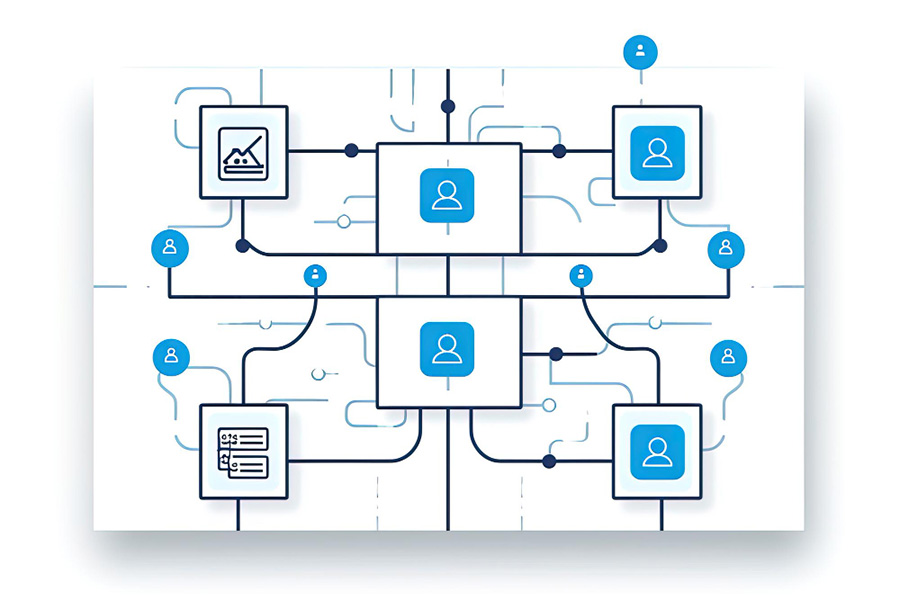
One of the key tools in microsegmentation visualization is the network traffic flow chart. These charts offer a detailed view of how network assets communicate with each other, illustrating inbound and outbound traffic, and showing the ports through which data is transmitted.
Key Benefits of Network Flow Charts:
- Clear Communication Paths: Flow charts help visualize communication channels between different assets and segments, allowing administrators to understand how information travels through the network.
- Identify Potential Bottlenecks: By visualizing traffic flow, network administrators can spot congestion points or areas where resources are being overutilized.
- Easy Troubleshooting: When issues arise, network flow charts enable quick identification of where traffic is being blocked or misdirected, facilitating faster resolutions.
For network microsegmentation, these charts are invaluable in ensuring that policies are applied correctly, and that unauthorized traffic is blocked. Without such visual tools, administrators may struggle to ensure that microsegmentation policies don’t inadvertently hinder business-critical communication.
Visualizing Microsegmentation Policies in Action
Once the network microsegmentation policies are in place, the next critical step is to validate that these policies are working as intended. Visualization tools allow network administrators to simulate the effect of these policies on traffic flow and network communication.
How Microsegmentation Visualization Helps with Policy Validation:
- Policy Enforcement Simulation: Visualizing how traffic flows with microsegmentation policies applied helps verify that the rules are enforced correctly, and that legitimate communication isn’t inadvertently blocked.
- Policy Adjustment: If there are any issues with policy enforcement, administrators can adjust the rules based on the insights gained from visualizing traffic patterns, ensuring optimal configuration.
- Security Posture Assessment: Visualization provides an overview of whether sensitive or critical assets are properly protected under current segmentation policies.
Through these simulations, administrators can proactively manage potential security risks and avoid disruptions in business operations.
Streamlining Network Security with Visual Insights
Effective network microsegmentation requires more than just defining policies; it requires constant monitoring and adjustments to keep up with changes in network configuration and usage patterns. Microsegmentation visualization allows administrators to monitor how the network evolves and identify any changes in traffic patterns.
For example, as new devices are added or removed, or as applications change their communication patterns, the network’s traffic structure may shift. Visualization tools help highlight these changes, ensuring that security policies remain in line with the actual flow of traffic.
Benefits of Continuous Monitoring:
- Adaptability: Network configurations change over time, and so should your security policies. With visualization, adjustments can be made based on new data without compromising network security.
- Security Oversight: By continuously visualizing network traffic, administrators can quickly spot vulnerabilities, such as unexpected connections between segments, that may signal a security risk.
- Policy Optimization: As patterns of network traffic change, administrators can adjust microsegmentation policies to optimize both performance and security.
Enhancing Compliance with Microsegmentation Visualization
In industries that require strict adherence to regulatory standards—such as healthcare, finance, or government—microsegmentation visualization can be a powerful tool to ensure compliance. Regulations often require strict controls on data flow and access, and visualizing network traffic helps demonstrate that network microsegmentation policies are correctly implemented.
For example, visualization can help ensure that data sensitive to regulations (e.g., personally identifiable information, financial data) is appropriately isolated and that unauthorized access is prevented.
How Visualization Supports Compliance:
- Audit Readiness: By providing clear, visual documentation of network traffic and policy enforcement, administrators can ensure that their network configuration meets compliance requirements at any given time.
- Risk Assessment: Visualization aids in assessing potential risks by showing which areas of the network are vulnerable to unauthorized access or data leakage, enabling proactive steps to meet compliance standards.
With visualization tools, network managers can demonstrate to auditors and stakeholders that the network is configured in accordance with required security and privacy standards.
Get Started Visualizing Network Environments
Microsegmentation visualization plays a critical role in managing complex networks. It provides clarity on how data flows through different segments, highlights the impact of network microsegmentation policies, and ensures that security measures are both effective and non-disruptive. By visualizing network communication patterns and the enforcement of microsegmentation policies, administrators can more easily manage network security, troubleshoot issues, and ensure compliance with industry standards.
The 12Port Horizon platform provides the visualization tools needed to map traffic patterns and interactions, manage assets, define segmentation taxonomies, and enforce policies across physical, virtual, and cloud environments. With quick deployment and granular policy management features, it helps secure critical assets, isolate threats, and maintain a Zero Trust approach.
To experience the power of visualization in network microsegmentation, download a free trial of our 12Port Horizon microsegmentation software today and see how our solutions can enhance your network security management.
Frequently Asked Questions (FAQs)
Microsegmentation visualization refers to the use of tools like network flow charts, diagrams, and graphs to visually represent how network assets communicate, highlighting the traffic flow and enforcing microsegmentation policies.
Network flow charts allow administrators to visually track how data moves between assets, which ports are being used, and whether microsegmentation policies would block certain communications, ensuring that network security is properly enforced.
Visualization tools enable administrators to simulate and assess how microsegmentation policies impact network traffic. This helps ensure policies are correctly applied and that legitimate communication is not unintentionally disrupted.
By providing a clear view of network traffic patterns and asset communication, visualization tools allow administrators to continuously monitor the network, detect vulnerabilities, and adjust policies to maintain a strong security posture.
Yes, visualization aids in demonstrating compliance by documenting network traffic and policy enforcement. It helps ensure that sensitive data is isolated and that security measures align with regulatory requirements.
Visualization tools allow network administrators to identify where traffic is being blocked or misdirected, making it easier to troubleshoot connectivity issues related to microsegmentation policies.